The neurosurgery department at neurocentre brings together four FMH-certified neurosurgeons specialising in the surgical treatment of cervical, thoracic and lumbar spinal conditions. Using minimally invasive techniques and the latest generation of operating microscopes, we aim to reduce hospital stays and accelerate your recovery.
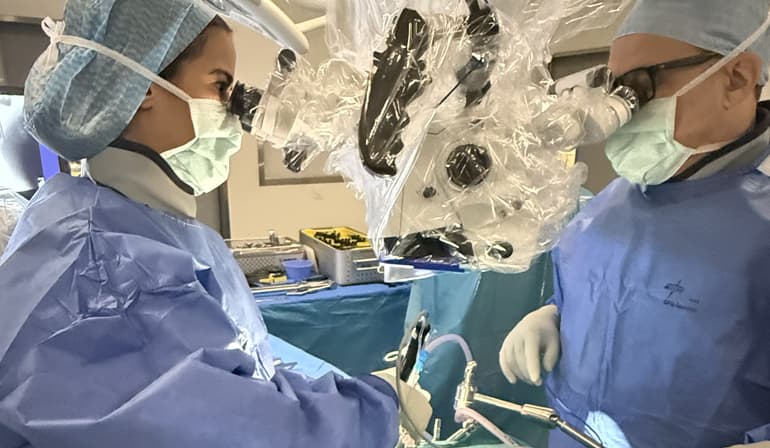
Minimally invasive spine surgery and endoscopy
Our surgeons systematically favour minimally invasive approaches whenever the pathology allows. These techniques reduce blood loss, postoperative pain and return-to-activity time. The use of the operating microscope or endoscope ensures maximum anatomical precision at every procedure.
Cranial surgery
Beyond spinal surgery, our neurosurgeons manage a wide range of cerebral and cranial conditions. They perform subdural haematoma evacuations, cerebral tumour biopsies and resections, as well as skull base interventions. The management of trigeminal neuralgia — whether surgical or by stimulation — is part of our expertise. Every case is discussed multidisciplinarily to ensure the most appropriate approach.
Partner clinics
Our neurosurgeons operate at several prestigious institutions in French-speaking Switzerland: Clinique Hirslanden Cecil, Clinique La Source, Clinique Genolier, Clinique Générale Sainte-Anne and Clinique CIC in Montreux. This network provides 24/7 care in neurosurgical emergencies.
Multidisciplinary collaboration
Every complex case is discussed in a multidisciplinary meeting with the neurologists, pain specialists and physiotherapists of the centre. This approach ensures that surgery is only proposed when it offers the greatest benefit to the patient, as a complement to or after failure of well-conducted conservative treatment.
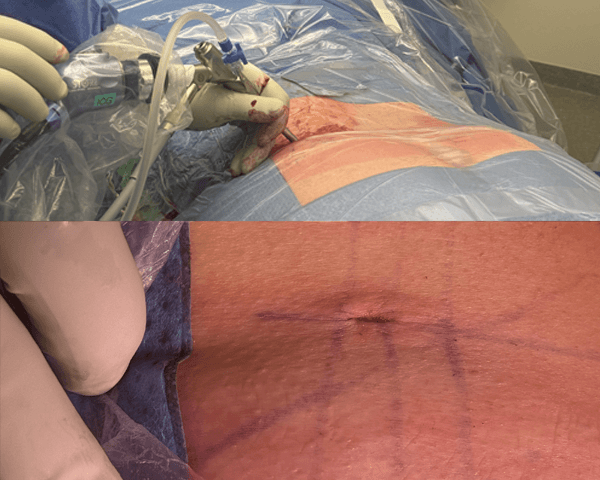
Spinal endoscopy
Spinal endoscopy allows, through a millimetric skin incision, direct and precise visualisation of nerve and disc structures.
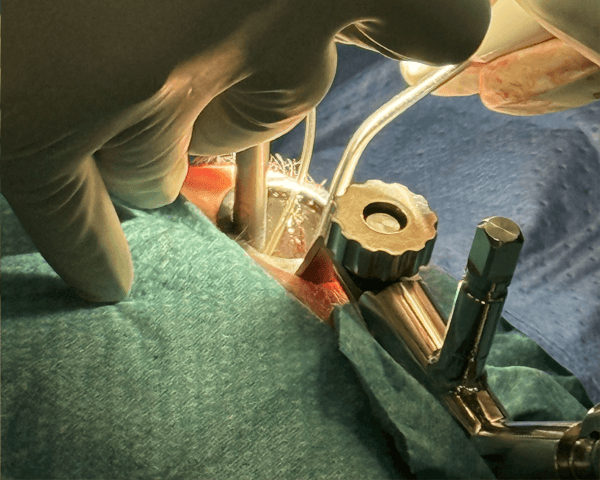
METRx technique
The METRx technique is a minimally invasive spine surgery approach based on progressive tubular dilators to access the spinal column while preserving muscle planes.
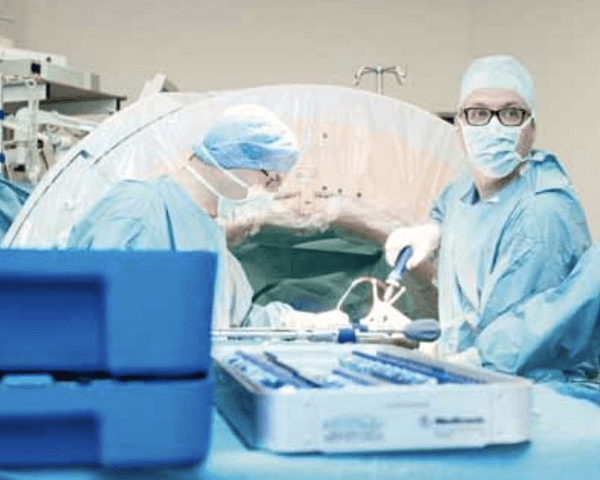
Neuronavigation (O-arm)
The O-arm is a three-dimensional intraoperative imaging system used in spinal and cranial surgery to improve the precision and safety of surgical procedures.
Spinal conditions
- Cervical and lumbar disc herniation
- Spinal canal stenosis
- Spondylolisthesis
- Vertebral instability
- Spinal tumours (intra- and extramedullary)
- Osteoporotic vertebral fractures
- Spinal trauma
- Chiari malformation
- Spinal synovial cysts
Cranial conditions
- Subdural haematoma (chronic and acute)
- Brain tumours (meningioma, glioma, metastases)
- Hydrocephalus
- Trigeminal neuralgia
- Skull base tumours
Spinal surgery
- Cervical and lumbar discectomy
- Canal decompression
- Interbody fusion (ACDF, PLIF, TLIF, OLIF)
- Cervical and lumbar disc arthroplasty
- Vertebroplasty / kyphoplasty
- Percutaneous foraminotomy
- Spinal tumour resection
- Pedicle screw stabilisation
Cranial surgery
- Subdural haematoma evacuation (SDH)
- Cerebral biopsy
- Cerebral oncological surgery
- Skull base surgery
- Surgical treatment of trigeminal neuralgia
- Trigeminal nerve stimulation
- Hydrocephalus surgery (ventriculoperitoneal shunt)
Book an appointment
Our secretaries will direct you to the right specialist for your situation.
+41 21 312 49 59Our other specialties